📍Bergen County Specialists
30 years serving local homes and businesses
Attic Mold Removal — Roof leak mold remediation, attic ventilation solutions, and sheathing treatment
60 Minute Response
Average arrival across Bergen County—24/7/365
Professional Team
30+ Years Experience
$2M Insured
Complete Protection
Direct Billing
No Out-of-Pocket Cost
A+ Rating
Better Business Bureau
24/7 Emergency
Always Ready to Help
Ice dams, missing shingles, and inadequate attic ventilation create perfect conditions for mold on roof sheathing, rafters, and insulation. We fix the moisture source and treat contaminated wood safely.
Recurring winter ice dams allowed snowmelt to infiltrate under roof edge, soaking attic insulation and causing extensive black mold growth on plywood sheathing covering 150+ sq ft. Multiple rafters showed active growth requiring immediate remediation before rot developed.
Our Solutions:
Inadequate soffit and ridge venting trapped warm moist air in attic during winter. Condensation formed frost on roof deck that melted in spring, creating widespread mold on sheathing, rafters, and trusses throughout 800 sq ft attic space.
Our Solutions:
Bathroom exhaust fan improperly terminated in attic space instead of venting outside. Years of shower steam moisture condensed on sheathing and rafters directly above bathroom, creating 40 sq ft mold zone with visible discoloration and musty odor detectable in bathroom.
Our Solutions:
See how we've helped local homes and businesses
Attic Restoration & Ventilation
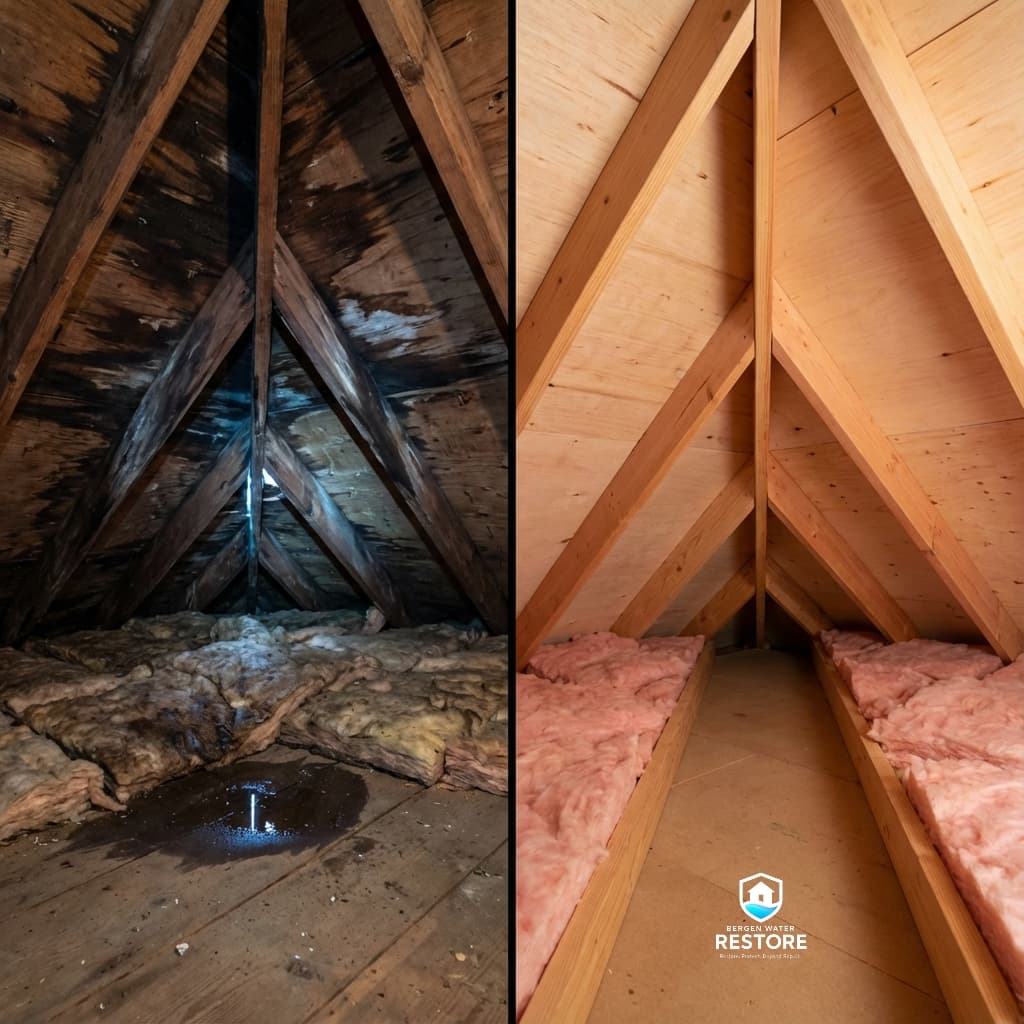
Winter ice dams caused roof leaks into attic. Spring revealed extensive mold on 400 sq ft of roof decking and ceiling joists. Poor ventilation made it worse.
Roofer repaired decking, we removed contaminated insulation, soda-blasted mold from wood, treated with antimicrobial, installed proper baffles, and new blown-in insulation after clearance.
Attic mold-free with improved R-value insulation and proper ventilation. Energy bills decreased 15%.
Leak-Related Attic Mold
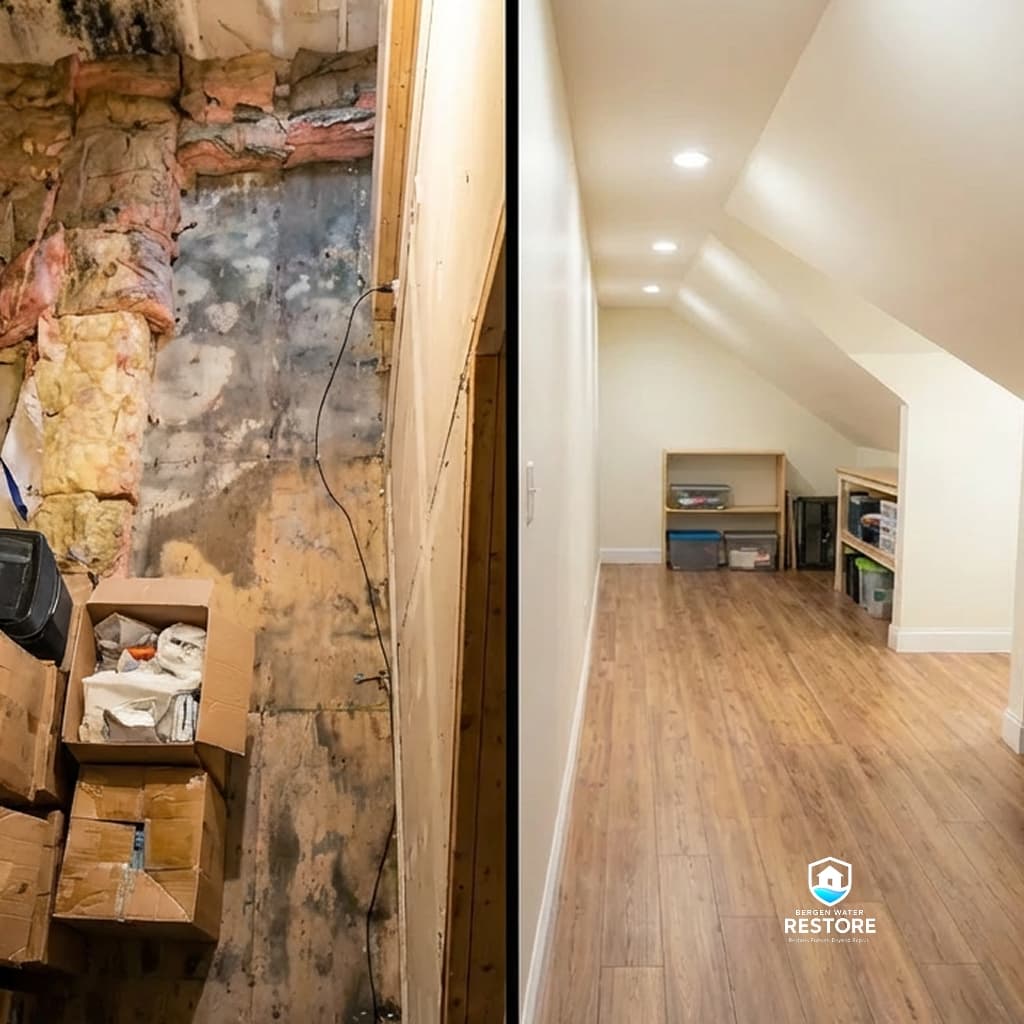
Slow roof leak went undetected for months, causing extensive mold growth on 300 sq ft of plywood decking and ceiling joists. Homeowner noticed musty smell in bedroom below and water stains on ceiling.
Coordinated with roofing contractor for leak repair first. Once roof was sealed, we contained attic workspace, removed mold-contaminated insulation, soda-blasted mold from structural wood, treated with fungicide, verified moisture levels returned to normal, and installed new insulation with proper baffles for ventilation.
Mold completely removed and attic properly ventilated. Ceiling repaired and repainted below. No mold return after 14 months. Passed clearance air quality testing.
Need similar help? We're ready 24/7
Call (201) 500-2332Local expertise, fast response, and clear communication
30 years serving local homes and businesses
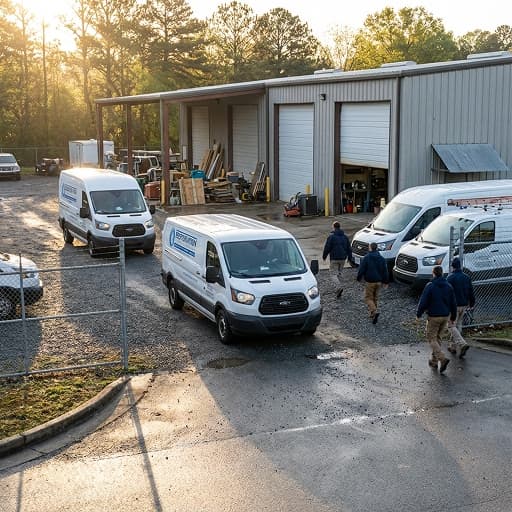
Based in Hackensack with crews ready 24/7
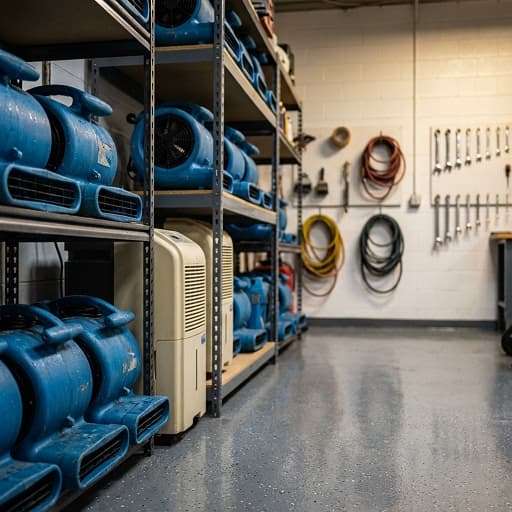
Industrial-grade tools and technology
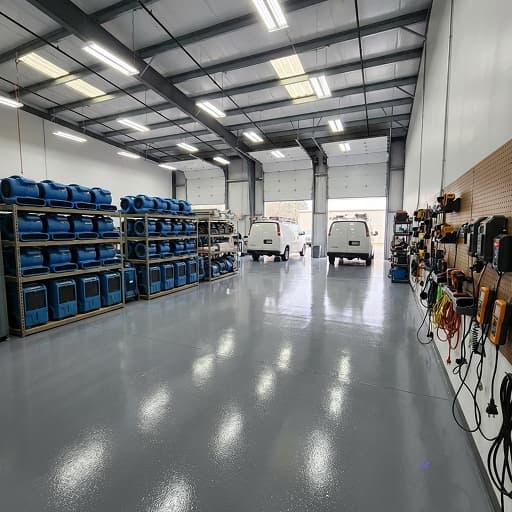
Preferred vendor for State Farm, Allstate, Liberty Mutual
Safe containment, thorough removal, and verified air quality clearance.
Identify sources and affected areas
Prevent cross-contamination
Remove contaminated materials safely
Improve air and reduce humidity
Confirm remediation success
Need mold remediation you can trust? Call us 24/7 or Get a mold assessment
4.9/5 stars from 500+ Google reviews
Black mold all over attic from roof leak. Removed insulation, treated wood, fixed ventilation, coordinated with roofer. Comprehensive. Attic's stayed clean for a year.
Kenneth B.
Hackensack, NJ
Attic mold from poor ventilation. Installed ridge vents, treated mold, replaced insulation. Energy bills went down. Very knowledgeable.
Barbara A.
Paramus, NJ
Bathroom exhaust venting into attic caused mold. Rerouted vent properly, removed mold, treated framing. Four days, daily updates. No moisture issues now.
William R.
Englewood, NJ
Everything you need to know
Attic mold is almost always caused by moisture: roof leaks (current or past), poor ventilation trapping humidity, bathroom exhaust fans venting into the attic, or ice dams causing snowmelt intrusion. Inadequate insulation and air sealing can also allow warm, moist air to rise from living spaces and condense on cold attic surfaces. We identify all moisture sources during inspection and recommend permanent fixes.
Yes, especially if you have ductwork, air handlers, or recessed lights in the attic. Mold spores can infiltrate living spaces through these penetrations, causing musty odors and respiratory irritation. Even sealed attics allow some air exchange. Removing attic mold and fixing moisture sources improves overall home air quality and prevents health concerns.
If insulation is contaminated by mold, it must be removed per IICRC S520—it cannot be effectively cleaned. However, if mold is limited to roof sheathing and framing, insulation may be salvageable with HEPA vacuuming and antimicrobial treatment. We assess contamination extent and provide honest recommendations. Replacing insulation also offers an opportunity to upgrade R-value and improve energy efficiency.
Mold on wood sheathing and framing is treated with wire brushing and HEPA vacuuming to remove surface growth, followed by EPA-registered fungicide application to kill remaining mold and prevent regrowth. Severely damaged wood (soft, crumbling) may need replacement for structural integrity. After treatment, we address ventilation and leak issues to prevent recurrence.
Attic mold remediation costs vary based on extent of contamination and attic size: small areas (less than 100 sq ft) typically run $2,000-$4,000, moderate contamination (100-300 sq ft) costs $4,000-$8,000, and extensive growth throughout large attics can reach $10,000-$15,000. Price includes containment, mold removal, antimicrobial treatment, insulation removal/replacement if needed, and proper ventilation improvements. We provide free assessments and detailed quotes.
Coverage depends on the cause. If mold resulted from a sudden covered event (burst pipe, storm damage, ice dam from covered roof leak), insurance typically covers remediation. However, mold from long-term neglect, poor maintenance, or gradual roof deterioration is usually excluded. We document all damage thoroughly, provide detailed estimates, and work with your adjuster to maximize coverage when applicable.